News
Stäfa ZH/Nuremberg – Sonova is presenting its new Infinio Ultra product line at the International Congress of Hearing Aid Acousticians (EUHA) in Nuremberg. The hearing aids in this range are equipped with a chip developed by Sonova that makes it easier to understand speech in noise.
(CONNECT) Sonova Holding AG will present its new Infinio Ultra product line at the International Congress of Hearing Aid Acousticians in Nuremberg from October 22 to 24. The hearing aids supported by artificial intelligence build on the Sphere Infinio product line launched last year, the globally active hearing aid group announced in a press release. Like Sphere Infinio, the devices in the Infinio Ultra line are equipped with the DEEPSONIC chip. It was developed by Sonova to increase speech intelligibility in noise.
For Infinio Ultra, Sonova has updated the AutoSense OS operating system and trained it with a variety of more environments. The new devices can also be connected via one-step pairing "with practically any Bluetooth device", the company writes in the press release. Another innovation mentioned there is additional protection against earwax thanks to a wipeable, acoustically transparent membrane.
"Our hearing aids don't just react to sounds, they are designed and trained to understand them," Anders Rosengren, Group Vice President Research & Development at Sonova, is quoted as saying in the press release. "This is unique in the industry and makes such exceptional speech intelligibility possible." The new Infinio Ultra R and Infinio Ultra Sphere hearing aids will be available from Sonova-licensed hearing care professionals from October 22. ce/hs
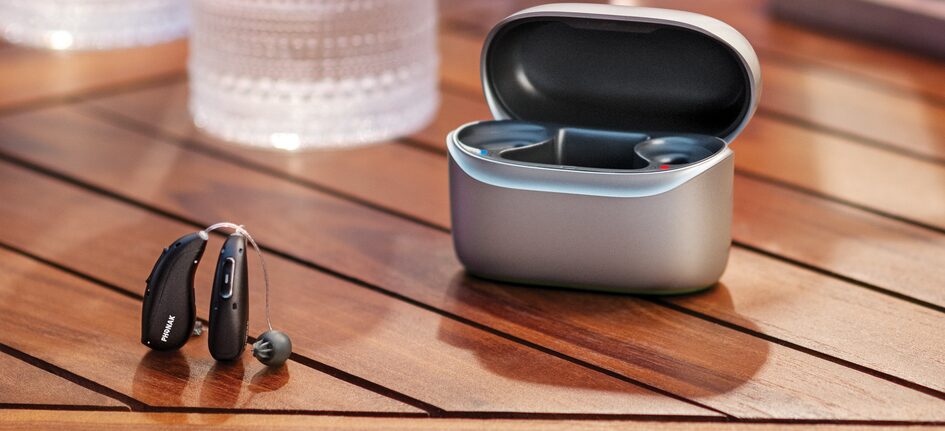
Sonova presents its new AI-powered hearing aid product line, Infinio Ultra, which builds on last year's launch of Sphere Infinio (image). Image: Sonova AG
News
Zurich – Researchers at the University of Zurich and the University Children’s Hospital are working on a better therapy for malignant tumors of the nervous system in children. A special diet is intended to slow tumor growth and promote recovery.
(CONNECT) A research team from the University of Zurich(UZH) and the University Children's Hospital is working on new therapies for malignant tumors of the child's nervous system, so-called neuroblastomas. According to a press release, these therapies are designed not only to stop the growth of tumor cells, but also to convert them into healthy nerve cells.
At the heart of the new therapeutic approach is the combination of the drug difluoromethylornithine (DFMO), which has recently been approved in Switzerland, with a special diet in which the administration of the amino acids arginine and proline is deliberately avoided. DFMO inhibits the production of polyamines, which are an important growth factor for neuroblastomas. The diet supports this inhibitory function.
"We have discovered that the effectiveness of DFMO in mice can be more than doubled if a targeted, arginine- and proline-free diet is used at the same time under controlled conditions," research leader Raphael Morscher is quoted as saying in the press release. "The diet enhances the effect of the drug, as it also inhibits the formation of polyamine precursors."
Instead of uncontrolled growth of the tumor cells, the treatment stimulates their maturation and transformation into more mature nerve cells. In a next step, the researchers want to test the clinical application in collaboration with international partners. The diet should be replaced with an appropriate enzyme. The aim is to provide affected children with a new and gentler treatment. The results were recently published in the scientific journal "Nature". ce/ww
Researchers at the University of Zurich are working on new therapies for malignant tumours of the paediatric nervous system. Symbolic image: Herney/Pixabay
News
Zurich – Researchers at the Swiss Federal Institute of Technology in Zurich (ETH) have developed a device that can produce and analyse thousands of tiny droplets of enzymes and substrates in a short space of time. ETH has patented the technology and wants to bring it to market maturity in a spin-off.
(CONNECT) Researchers at ETH have developed a process that enables microfluidic tests in drug development to be carried out more quickly and with fewer resources. The starting point is a technology that allows up to 100,000 tiny drops to be precisely placed on a glass plate the size of a microscope slide, ETH Zurich reported in a press release. The panel is coated with a water-repellent layer that is interrupted at the up to 100,000 landing points for the droplets. The plate is placed in a shallow oil bath to stabilise the drops.
The drops are placed in a device developed by the researchers. The composition of the drops can be varied with precise control. The samples can also be microscoped in the device and cultivated over several days. In contrast to conventional processes, the ETH method produces hardly any plastic waste and uses considerably less chemicals.
ETH has patented the method and nominated the invention for the final of its Spark Award 2025. The researchers want to bring the process to market maturity via a spin-off. In addition to the device itself, software solutions will also be developed to analyse the information from the experiments. "For me, it is crucial that the system is really reliable and easy to use," research group member Claudius Dietsche is quoted as saying in the press release. ce/hs
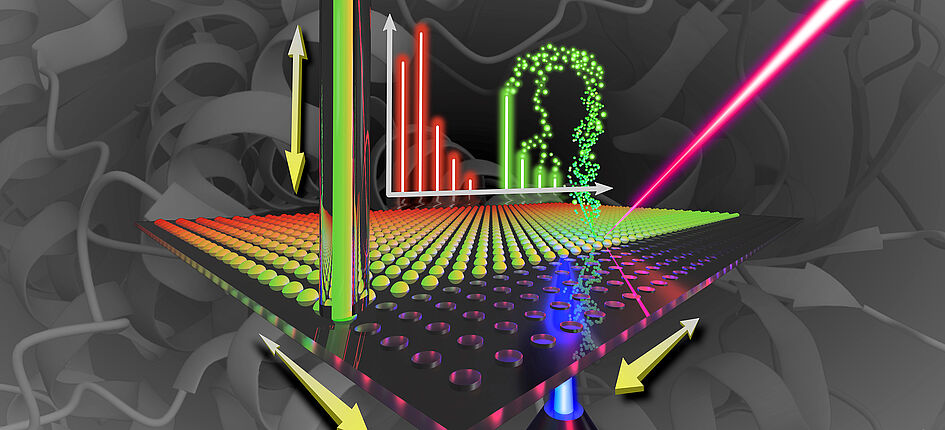
Researchers at ETH Zurich have developed a microfluidic process that makes drug testing faster and more resource-efficient. Image: Breitfeld et al.
News
Zurich – Employment in the Zurich workplace fell by 10 percent between 2011 and 2023. However, important sectors such as food and beverages, electrical, electronic and optical equipment and mechanical engineering are flourishing. Overall, a record of almost 546,000 jobs were created in the city in 2023.
(CONNECT) Employment in the city of Zurich has reached a new record high of just under 546,000 jobs in 2023. In contrast, the number of people employed in Zurich's workplace fell by 10 percent to 56,900 between 2011 and 2023, according to a press release issued by Stadtentwicklung Zürich on its latest workplace study. The term "workplace" covers companies that are active in the manufacture, assembly, maintenance and repair of goods and infrastructure as well as in logistics, warehousing, construction or wholesale.
Urban Development observed the biggest slump in the construction industry during the reporting period. The number of employees here fell by 26% to 11,563. In wholesale, the number of employees in 2023 was 12% lower than in 2011 at 15,333. However, the wholesale of food and beverages, the most important sub-sector, has developed positively across the board, explain the urban development experts. They also registered a 1 percent increase in production jobs to 13,384 employees. Here, the three largest sub-sectors - food and beverages, electrical, electronic and optical equipment and mechanical engineering - have flourished with double-digit growth rates since 2017.
"The companies of the Werkplatz are important for a diversified economy in Zurich," Anna Schindler is quoted as saying in the press release. In addition to offering jobs and training positions in the technical and trade sectors, they also play "a central role in supplying the city and for the functioning of the urban infrastructure", according to the Director of Urban Development. ce/hs

Employment in the construction and wholesale sectors declined in Zurich between 2011 and 2023, but rose in key manufacturing sectors. Symbolic image: Henrique Ferreira/Unsplash
News
Zurich – Researchers at the University of Zurich (UZH) are on the trail of an approach to accelerate wound healing. It is based on immune checkpoint inhibitors that regulate the immune response. Nicole Joller’s team has discovered how the inhibitor TIGIT promotes tissue repair.
(CONNECT) A team of UZH researchers led by Nicole Joller, Professor of Immunology at the University's Institute of Quantitative Biomedicine, is researching new possibilities for tissue healing. To this end, they have investigated the mode of action of the immune checkpoint inhibitor TIGIT, the UZH reports in a press release. Immune checkpoint inhibitors sit on the surface of immune cells and protect the body from an excessive immune response.
It is known from previous research that TIGIT protects mice to a certain extent against tissue damage in the event of infection. However, the exact mechanisms were previously unknown, Joller explains in the press release. Your team has now solved this mystery.
First, the researchers demonstrated the direct link between TIGIT and wound healing: In animal experiments, mice without the gene for TIGIT developed greater tissue damage after an infection than the control group with TIGIT. In the next step, immune cells with and without TIGIT on the surface were compared. Here, only immune cells with TIGIT reacted to the virus with a growth factor that activates repair mechanisms.
"This sheds new light on the balance between immune defense and tissue protection," says Joller. According to her, the research results help to better understand the tissue damage caused by viral infections. They could also contribute to the development of new therapies for liver fibrosis or the healing of chronic wounds, for example. "There is an opportunity here to activate the TIGIT checkpoint and thus accelerate regeneration," says Joller. ce/hs
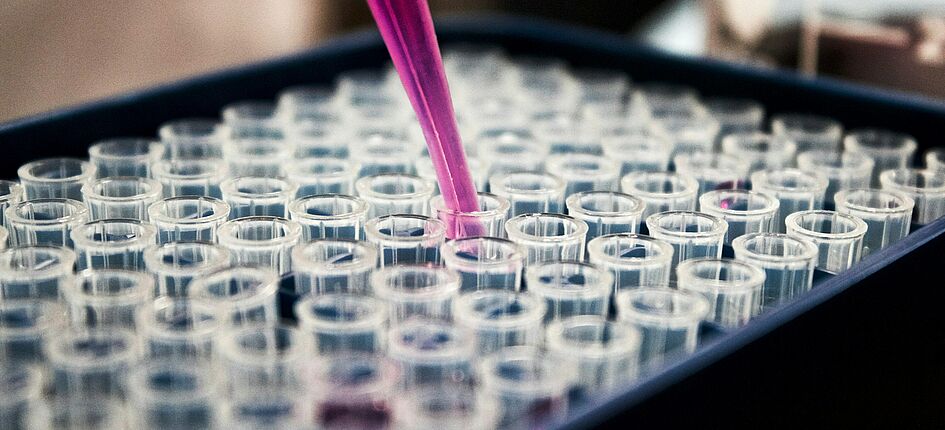
A team of researchers at UZH is investigating new possibilities for tissue healing. Symbolic image: Louis Reed/Unsplash
News
Schlieren ZH – The Schlieren-based biopharmaceutical company Neurimmune has treated the first patient in a phase 2 follow-up study. In the study, the drug cliramitug is being tested for the treatment of the heart disease transthyretin amyloidosis with cardiomyopathy.
(CONNECT) Neurimmune has dosed a first patient in a new trial of the drug Cliramitug, according to a statement from the Schlieren-based biopharmaceutical company. Cliramitug is used to treat transthyretin amyloidosis with cardiomyopathy (ATTR-CM), a rare and life-threatening heart disease.
In the follow-up study, the effect and safety of the drug will be tested. Only patients who had previously participated in a feasibility study for Cliramitug were recruited. Neurimmune is responsible for conducting the Phase 2 follow-up study under a license agreement with Alexion Pharmaceuticals of Boston, Massachusetts. Alexion itself, which as part of AstraZeneca specializes in rare diseases, is currently conducting a phase 3 study on the efficacy of the drug.
"The start of this Phase 2 follow-up study is an important step in our collaboration with Alexion, allowing us to expand our understanding of the long-term treatment effects of Cliramitug," Christoph Hock, Chief Medical Officer at Neurimmune, is quoted in the press release.
Neurimmune was spun off from the University of Zurich in 2006 and is based in the Bio-Technopark Schlieren-Zurich. ce/jh
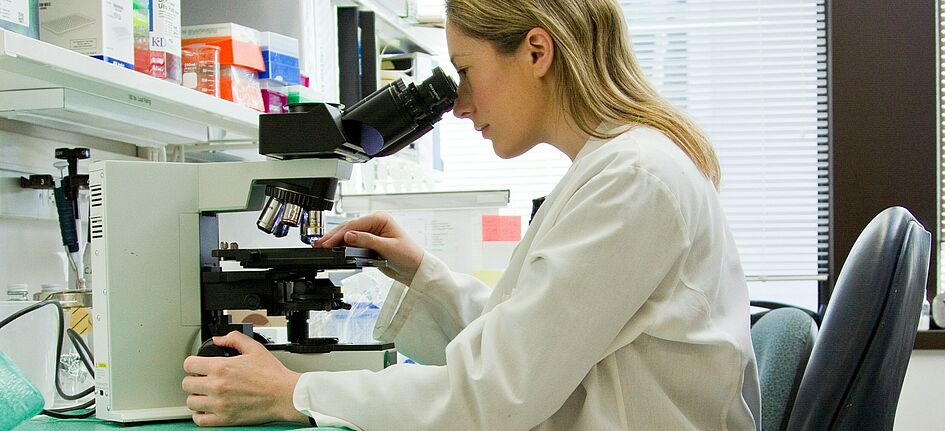
The biopharmaceutical company Neurimmune has treated a patient as part of a phase 2 follow-up study. Symbolic image: National Cancer Institute/Unsplash
News
Zurich/St.Gallen/Nijmegen – Researchers from Zurich, Empa and the Radboud University in the Netherlands are developing an implant from a 3D printer. It is said to help against corneal damage to the eye that impairs vision.
(CONNECT) University of Zurich, Zurich Veterinary Hospital, the Swiss Federal Laboratories for Materials Science and Technology (Empa) and the Dutch Radboud University in Nijmegen are conducting research into a transparent, biocompatible and self-adhesive implant from a 3D printer, according to a press release. It is intended to eliminate defects in the cornea of the eye.
According to the press release, the solution will benefit millions of people worldwide whose own corneas have been damaged by infections, injuries or malformations. This means that the eye is no longer protected. The consequences are impaired vision and even blindness. Only 100,000 affected people per year can be helped with a corneal tissue transplant. The reason for this is a lack of donors for the high demand for tissue donations.
The researchers are therefore working on a self-adhesive implant that does not require tissue donations and is not rejected by the eye. According to Empa researcher Markus Rottmar from the Biointerfaces laboratory in St.Gallen, the core of the product is a biocompatible hydrogel made of collagen and hyaluronic acid, which is provided with additives to offer a high degree of biomechanical stability. "3D extrusion bioprinting allows the implant to be tailored to the patient's individual corneal curvature," he is quoted as saying.
In the next step of the project, which is supported by a foundation, the researchers are working on a way to provide the hydrogel with human stem cells from the eye. The artificial cornea can be produced using 3D printing and is said to improve tissue regeneration.
Moreover, no surgical sutures are required for the treatment. This prevents "longer operating times and post-operative complications such as infection, scarring or inflammation". ce/heg
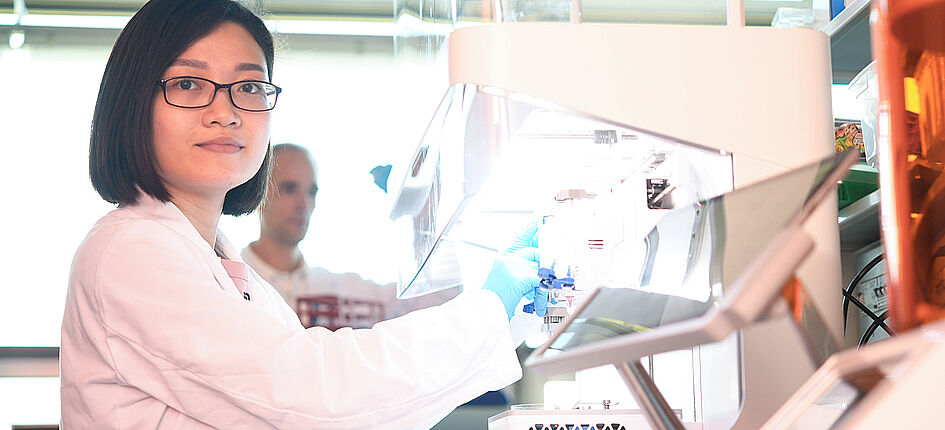
Empa researcher Hien Le is working on an artificial cornea made of hydrogel for people with visual impairments. Image: Empa
News
Zurich – Researchers at the Swiss Federal Institute of Technology in Zurich (ETH) have developed a tool that allows DNA data records to be searched in seconds. The computer experts make their MetaGraph freely available as an open source tool.
(CONNECT) Researchers at ETH have developed a tool with which the raw data of all DNA sequences stored in databases can be searched. Until now, researchers had to rely on descriptive metadata or download the respective datasets to access the raw data. However, with the ETH tool MetaGraph, which was first introduced in 2020 and has been continuously improved since then, the data records can now be searched using a full-text search, the ETH explains in a press release.
"It's a kind of Google for DNA," Gunnar Rätsch, data scientist at the Institute of Computer Science at ETH, is quoted as saying in the press release. Interested parties can already use MetaGraph for their own queries. Rätsch and his fellow researchers are also making MetaGraph freely available as an open source tool.
A study published on October 8 in the journal "Nature" explains how the tool works. In simple terms, MetaGraph indexes the data and displays it in complex mathematical graphs. "Mathematically speaking, it's a huge matrix with millions of columns and trillions of rows," explains Rätsch. He and his fellow researchers combine the raw and metadata and compress it by a factor of around 300.
About half of the sequence datasets available worldwide have already been indexed for MetaGraph. The remaining data sets are to follow by the end of the year. ce/hs
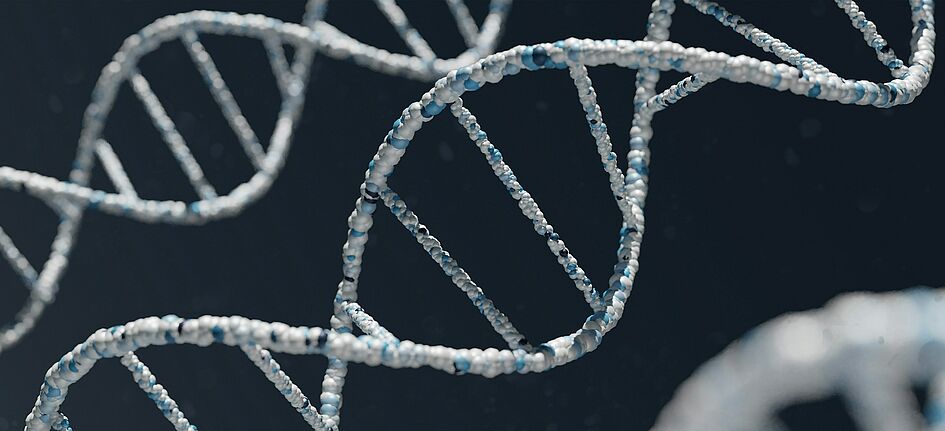
ETH-Forschende können mit MetaGraph DNA-Datensätze durchsuchen. Symbolbild: Warren Umoh/Unsplash
News
Zurich – A group of researchers led by the University of Zurich (UZH) has tested the use of artificial intelligence (AI) in predicting the risk of a heart attack. Their model enables more precise statements than before as to when early treatment with a cardiac catheter would be advisable.
(CONNECT) An international group of researchers led by the University of Zurich has investigated the use of AI in analyzing the risk of the most common form of heart attack. The researchers used artificial intelligence to re-evaluate the clinical trial data from over 600,000 patients in the VERDICT study. The results showed that KI can estimate the risk of so-called acute coronary syndrome without ST elevation more precisely than the previous method of the GRACE score, writes UZH in a press release.
The researchers trained their AI model to identify patients for whom early cardiac catheter treatment might be appropriate. "By re-analyzing the clinical trial data, our GRACE 3.0 model has learned who actually benefits from early invasive treatment - and who does not," first study author Florian A. Wenzl is quoted as saying in the press release. "This could help to improve the care of these patients in the future, as well as cardiovascular health after a heart attack." The scientist at the Center for Molecular Cardiology at UZH also conducts research at the National Health Service in England.
The researchers see their findings as an indication that current treatment strategies are sometimes aimed at the wrong patients. They consider a comprehensive restatification of care to be appropriate. Your GRACE 3.0 score is designed to help with more individualized and effective care. ce/hs
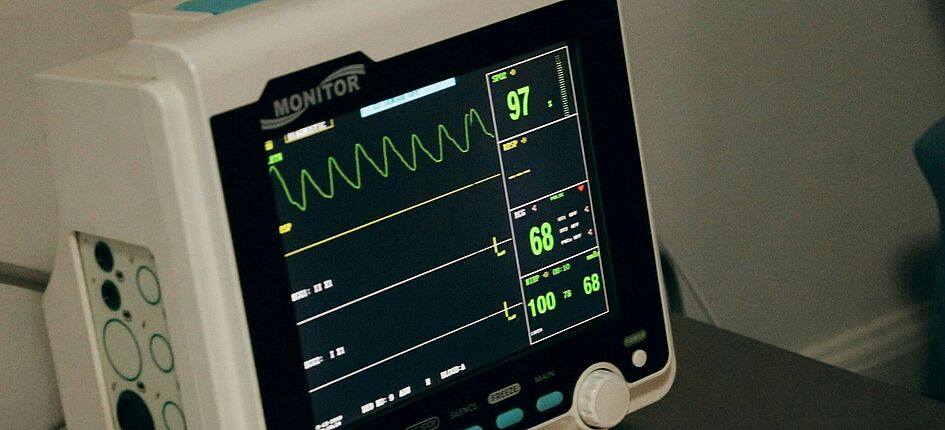
Researchers at the University of Zurich have investigated the use of artificial intelligence in analysing the risk of the most common form of heart attack. Symbolic image: Jair Lázaro/Unsplash
News
Zurich – Beyond Gravity has doubled its space for the production of mechanisms to align the solar wings of satellites. The aerospace company now produces 200 units per year instead of 36. If demand in the USA continues to grow, expansion is also planned in Florida.
(CONNECT) The demand for mechanisms for the alignment of solar wings for satellites is growing. Beyond Gravity has therefore doubled its production space for these components in Zurich, according to a press release. The federal space company is now producing 200 of these units instead of the previous 36. More units have already been delivered this year than in the three previous years combined.
Beyond Gravity is already working on the next generation of alignment mechanisms. The solar wings should then be able to be aligned along two axes and thus capture more energy.
The company sells its components primarily in Europe and the USA. If demand in the USA continues to grow, Beyond Gravity also intends to expand capacity at its plant in Titusville, Florida.
Beyond Gravity employs around 1800 people at twelve locations. In addition to Switzerland, it also produces in Finland, Austria, Portugal, Sweden and the USA. In 2024, it generated sales of 359 million francs. ce/ug
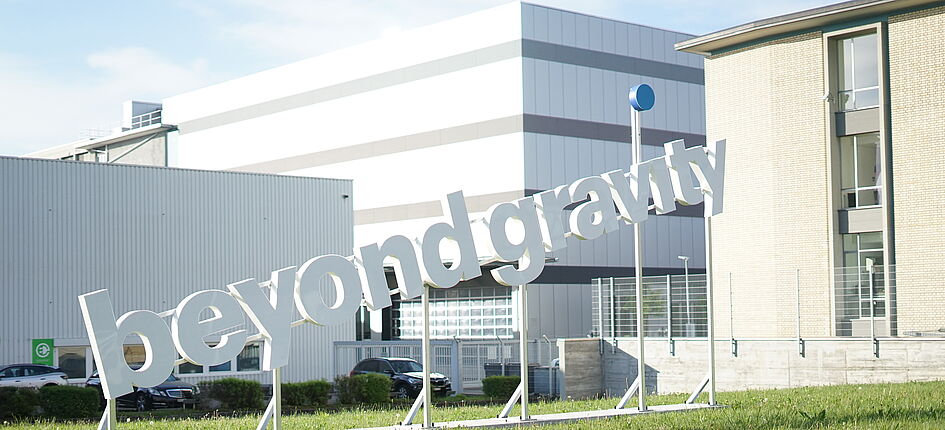
Beyond Gravity has increased its capacity for producing mechanisms for aligning satellite solar wings more than fivefold at its Zurich site. Image: Beyond Gravity
News
Zurich/Pune – KPIT Technologies Limited is now the majority shareholder of N-Dream with 88.9 percent. With this strategic investment, KPIT aims to expand its offering to automotive OEMs by integrating N-Dream’s AirConsole into its software services. N-Dream is now looking to significantly expand its workforce.
(CONNECT) KPIT Technologies Limited, an Indian company based in Pune, has increased its stake in Zurich-based start-up N-Dream to 88.9 percent. According to a Startupticker article, KPIT wants to integrate N-Dream's AirConsole into its software services with the 16.35 million euro acquisition. This would allow the company to expand its offering and create new, monetizable experiences for automotive customers. Following the takeover, N-Dream will operate as a subsidiary of KPIT.
The AirConsole, an online video game console from N-Dream, is based on cloud OTA (over-the-air) technology that enables mobile gaming on vehicle entertainment systems. The console offers over 180 games of various genres, such as UNO Car Party, Pictionary Car Party or PAC-MAN. N-Dream already serves automotive customers such as BMW, Audi, Volkswagen and Porsche.
KPIT first invested in N-Dream as a minority shareholder in 2023 and 2024 and has increased its stake to a total of 88.9% of the equity via its subsidiary KPIT Technologies (UK) Limited. The investment in N-Dream is part of KPIT's strategy to enable automotive OEMs to improve the driver and passenger experience. At the same time, KPIT wants to offer N-Dream's automotive customers complementary software integration and validation services. "Together with KPIT, we are shaping the future of in-car entertainment and redefining how people can have fun on the go," explains Ondrej Zak, Head of Operations at N-Dream.
Following the takeover, N-Dream will retain all 20 employees and will continue to be managed by the current CEO of N-Dream, Anthony Cliquot. Andrin von Rechenberg will also remain Chief of Innovation, while Tobias Schneider will also remain as CFO. The plan is to double the number of employees by 2026. ce/nta

KPIT becomes majority shareholder of N-Dream and integrates AirConsole into its software services. Image: N-Dream
News
Zurich – Zurich Insurance Group has announced the ten winners of this year’s Zurich Innovation Championship as part of its first Innovation Festival. In addition to nexoya from Zurich and Optimizely Opal, five winners of the Agentic AI Hyper Challenge and three winning alumni were also honored.
(CONNECT) Zurich Insurance Group announced the ten winners of the Zurich Innovation Championship at its first Innovation Festival on October 16, as detailed in a press release. The winning start-ups include five winners of this year's Zurich Agentic AI Hyper Challenge, three alumni of previous Innovation Championships and two new champions. The company in question is nexoya from Zurich. The company came out on top with its optimization of cross-channel marketing strategies supported by artificial intelligence (AI). The second winner of this year's Zurich Innovation Championship is Optimizely Opal from New York, which supports companies with digital marketing experiences across multiple channels.
At the Agentic AI Hyper Challenge, more than 1,000 participants from 40 countries worked on AI solutions for claims processing, underwriting, finance and marketing. AgentricAI from London, one of the five winners of the insurance industry's largest hackathon, also impressed at the Innovation Championship with Clara, an AI agent for automating travel expense reports. In contrast, Interloom from Munich uses its AI platform to capture organizational knowledge from daily work interactions to enable Zurich teams and AI agents to work together efficiently.
Paris-based Wangari Global 's Etio solution uses AI agents to automate financial reporting to provide Zurich finance teams with deeper insights. Rome-based WordLift optimizes Zurich's websites with its AI platform by improving its AI search engine. ZuriFault, itself developed by a Zurich team, improves motor liability insurance decisions through Agentic AI.
In addition to the Hackathon winners, three Championship alumni who continue to work with Zurich were also represented. For example, Lisa Insurtech from Columbus, Ohio, which has been working with Zurich since 2022, enables more efficient processing of 1 million claims per year with its AI platform for health insurance claims. Sixfold from New York accelerates commercial insurance underwriting processes with its AI platform and Nearmap from Barangaroo in Australia identifies real estate insurance risks with its image solutions and the AI-supported Betterview platform.
All winners may continue to work with the insurer as venture clients, gain access to over 150 markets and further equity financing. ce/yes
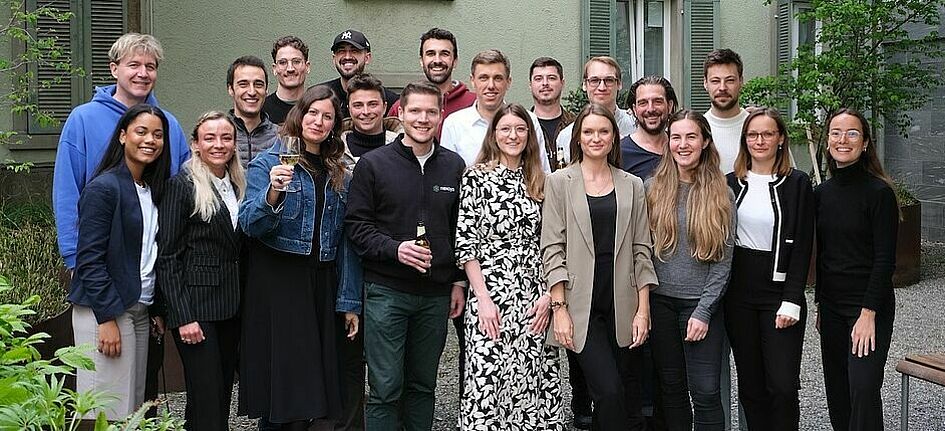
Nexoya is the innovation champion of the Zurich Innovation Championship 2025 with its AI-supported optimisation of cross-channel marketing strategies. Image: zVg/Nexoya